David Scott Discusses Collective Action Pressure Points at London Symposium
LONDON — “It’s an exciting time for legal professionals in Europe,” Managing Partner David R. Scott this week pointed out at the Global Class Actions Symposium 2025 organized by Global Legal Group. “There is a lot of cross-pollination between U.S. and transatlantic claimant lawyers and claims that are filed in the United States,” as many of the cases – especially in the anticompetitive space – ultimately also appear in the UK or European jurisdictions.
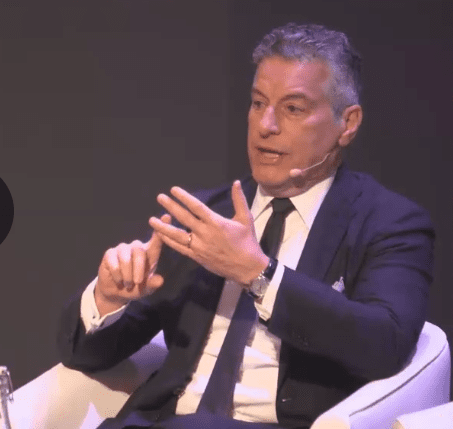
While discussing competition-based collective action trends at the GLG panel held in London, Mr. Scott weighed in on several key inflection points driving competition and antitrust litigation, while also looking back at 35 years of experience of litigating in this practice area.
When talking about trends, “I look at two factors: cycle and financial pressure,” Mr. Scott said. As multinational corporations are being squeezed by tariffs and record inflation, “we see a perfect confluence of issues where commodities-based products are becoming increasingly susceptible to anti-competitive conduct.” Key sectors to watch for commodity-based price-fixing will be the paper and electrical components industry as well as the construction supplies sector.
With top leadership transitions at major corporations usually taking place every 10 to 15 years, new management is often susceptible to price-fixing schemes while trying to quickly increase profit margins.
During the one-hour conversation chaired by Loree Kovaq of Epiq and David Gadsden of Baker McKenzie and Ben Jasper of Clifford Chance as featured co-speakers, Mr. Scott also highlighted several other key areas to watch in the anticompetitive litigation space, including the AI sector, wage suppression cases, and pharmacy benefit management (PBM) litigation.
Among generative AI players, “we will see an increasing number of cases centering on exclusive dealing and attempts to interrupt the AI stack by giving preferred treatment to certain vendors or Big Tech friends, while locking out certain participants.”
Asked about transatlantic pressure points in collective actions, Mr. Scott noted that although class action mechanisms “are nascent regimes, it is amazing to see new class action statutes being established.” At the same time, he warned practitioners to be mindful about “what suits to bring, how to bring them, and what precedents to set. If you make bad law, it will impact the regime going forward for a long time.”
Watch an exclusive ICLG News interview with David Scott on the key points of the panel HERE.